Patient data
The HIPAA Security Rule requires covered entities to have policies for the final disposal of electronic protected health information and the hardware it is stored on.
K12 Computers provides secure IT asset disposition for hospitals, clinics and healthcare organizations. Retired laptops, workstations, tablets and servers are erased to NIST 800-88 guidelines with third-party verified software, every device gets a data deletion certificate by serial number, and equipment with resale value earns you a payout.
R2v3 · ISO 9001 · ISO 14001 · ISO 45001 · WISE Certified · Inc. 5000
The HIPAA Security Rule requires covered entities to have policies for the final disposal of electronic protected health information and the hardware it is stored on.
A single letter for a whole pickup is weak evidence. Per-serial certificates tie each device to its erasure result.
Shredding everything is secure but throws away resale value. Verified erasure keeps devices reusable.
The HIPAA Security Rule's device and media controls (45 CFR 164.310(d)) require covered entities to implement policies for the final disposition of electronic protected health information and the hardware or media it is stored on, and to remove ePHI before media is reused.
HHS guidance adds that covered entities must apply reasonable safeguards when disposing of PHI and train their workforce on disposal policies. HHS points to NIST SP 800-88 for sanitization methods.
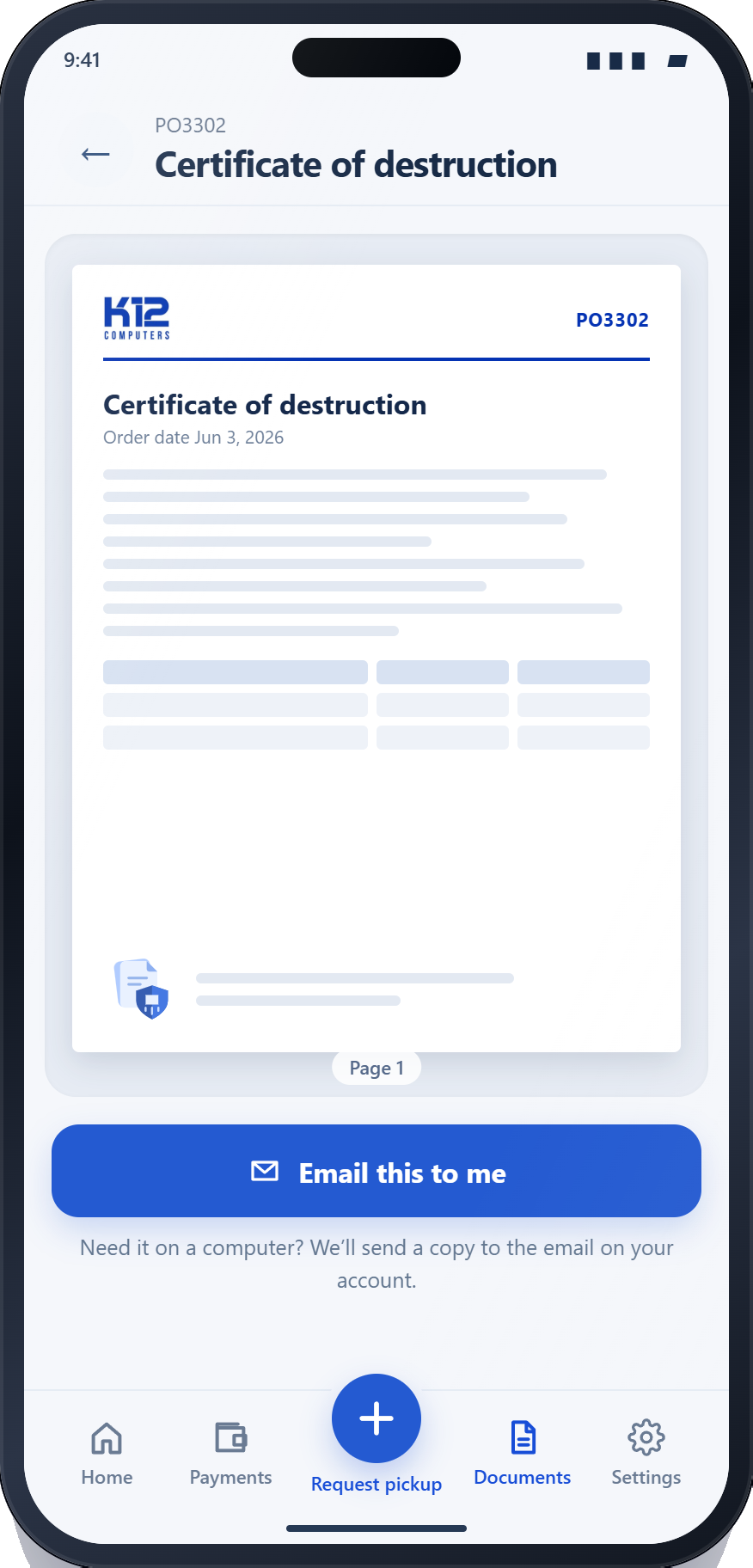
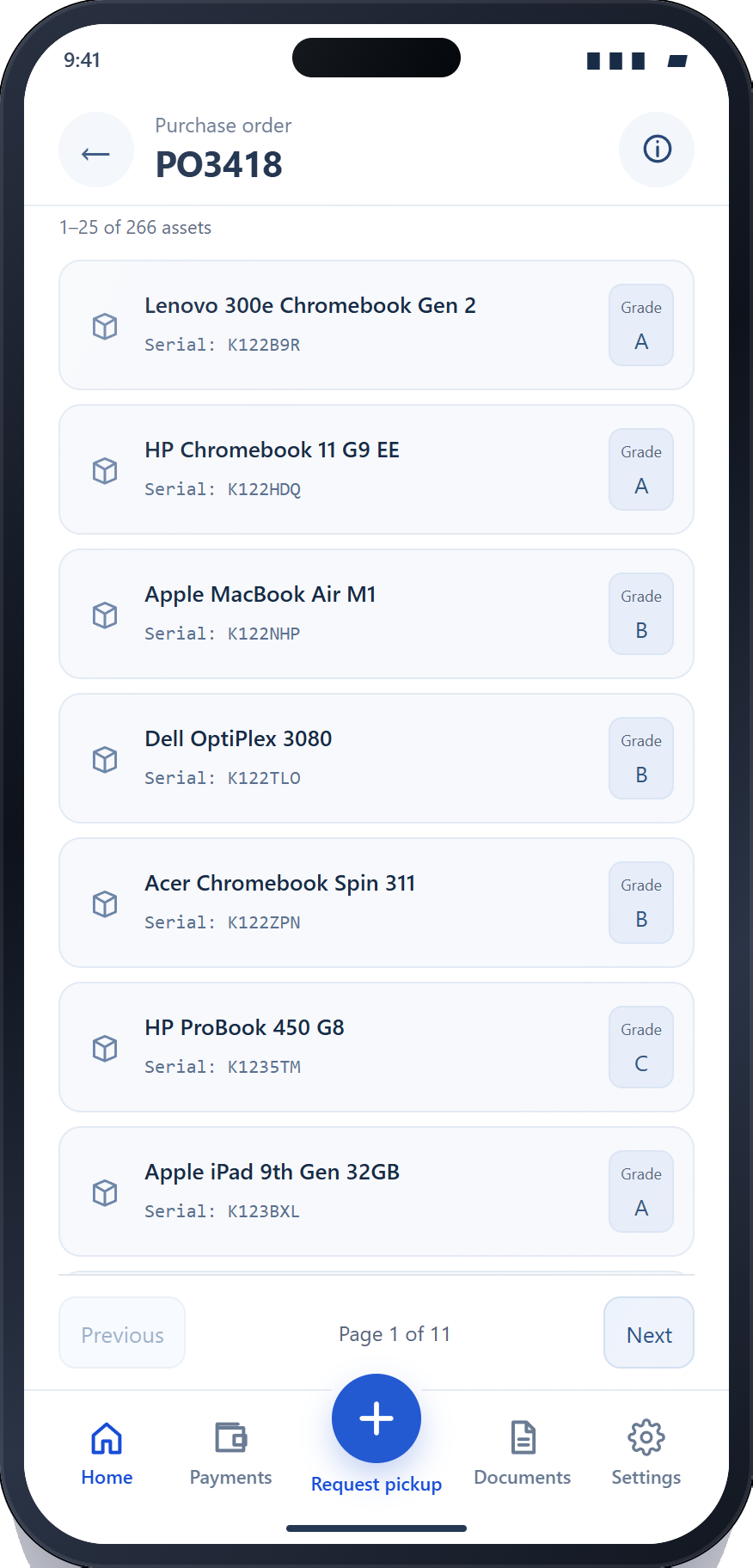
When a privacy officer or auditor asks how a specific workstation was handled, a single certificate for a whole pickup is weak evidence. K12 records each device at pickup and issues a data deletion certificate tied to its serial number.
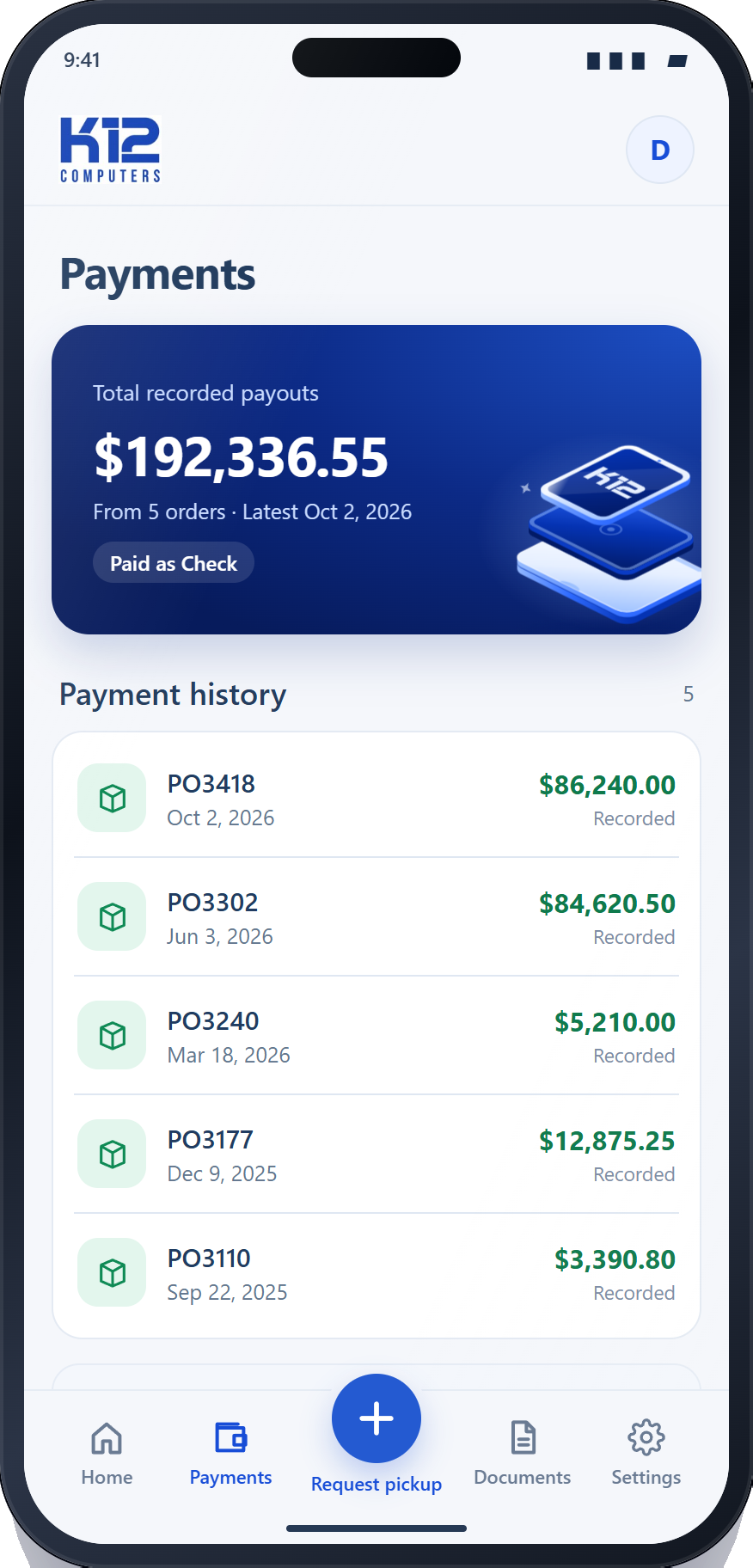
Hospitals receive receiving reports, serialized audit reports, data deletion certifications, shipment summaries, purchase orders and impact reports. Media your policy requires to be physically destroyed can be flagged before pickup.
Verified erasure leaves equipment reusable, so laptops, workstations and tablets with resale value can earn a payout instead of being shredded. Equipment without resale value is recycled through R2v3-certified processes.
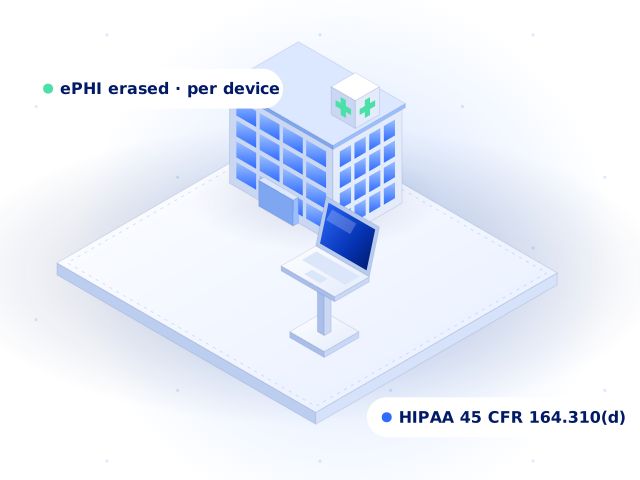
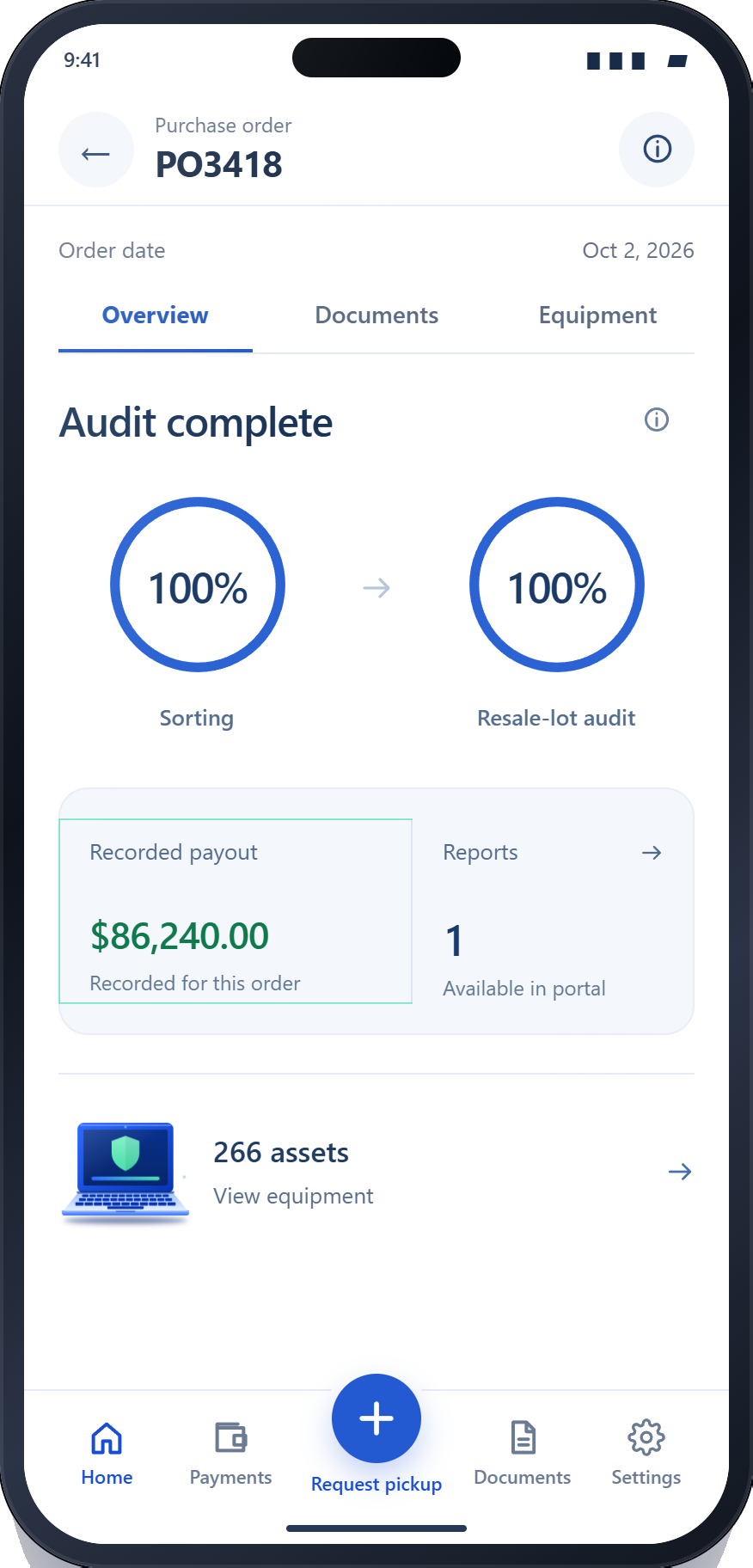
Workstations on wheels, nurse station PCs, physician laptops and servers often store patient information. K12 tracks each device from pickup to final disposition and documents its erasure, so your privacy and IT teams have a record for every asset.
Every step is recorded in the K12 portal. New to the terms? See the ITAD glossary.
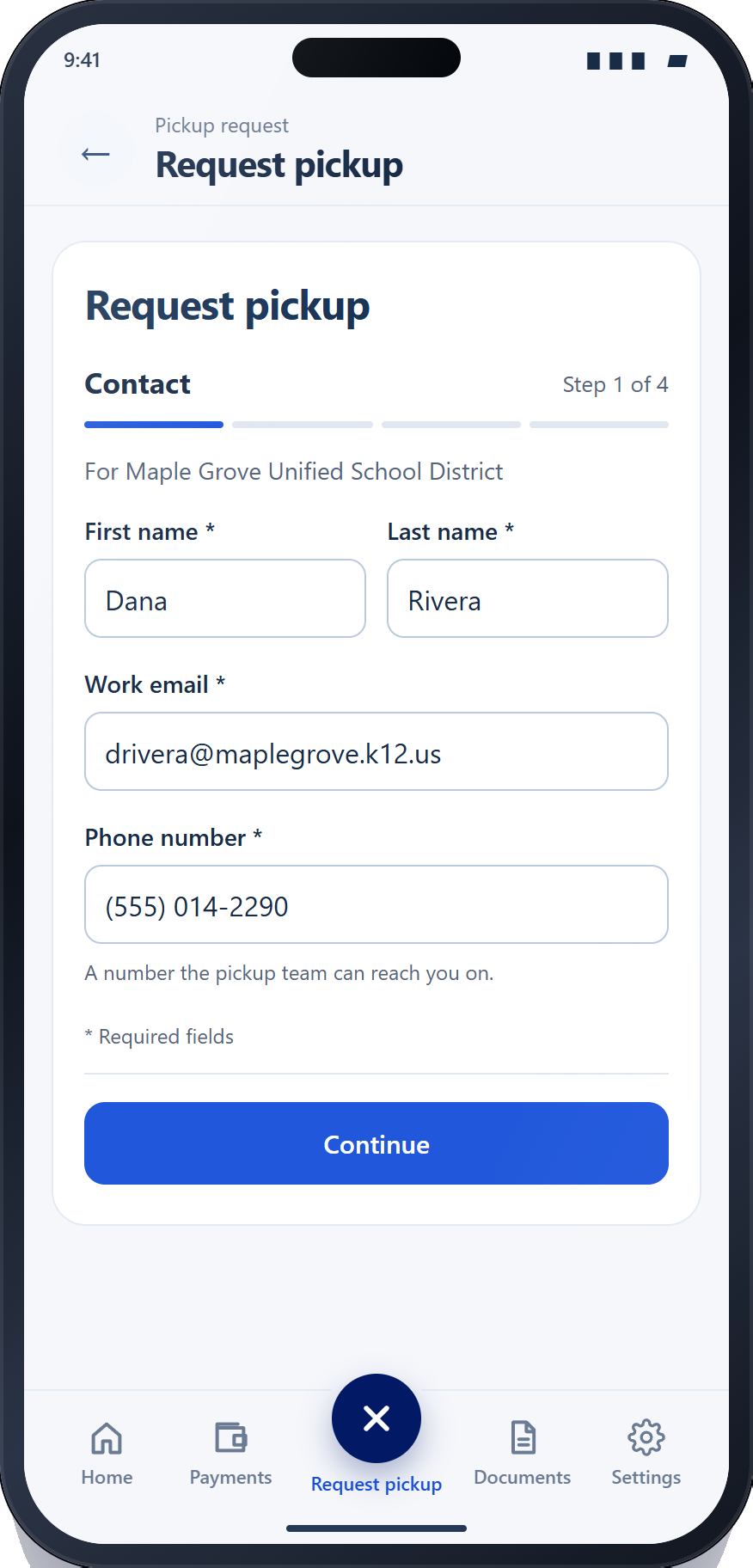
Tell us what is retiring, from which sites, and any media your policy requires to be physically destroyed.
Scheduled pickup with a receiving report that matches what left each site.
NIST 800-88 erasure, results recorded per serial number, on site or at our facility.
Data deletion certificates and audit reports for your records, plus payout on resellable devices.
Your orders, devices, documents and payouts, in a portal that works as well on your phone as on your desk.
The HIPAA Security Rule requires covered entities to have policies for the final disposal of ePHI and the hardware it is on. A common approach is media sanitization to NIST 800-88 with a certificate for each device. K12 Computers provides NIST 800-88 erasure with per-serial data deletion certificates.
Yes. Verified software erasure leaves devices reusable, so equipment with resale value can earn a payout instead of being shredded. Your policy decides which media must be physically destroyed instead.
K12 Computers is R2v3 certified for responsible recycling and data security and certified to ISO 9001, ISO 14001 and ISO 45001.
Ask K12 about your organization's vendor requirements during evaluation. K12's process is built on NIST SP 800-88 erasure, R2v3 certification and per-device documentation.
Workstations, laptops, workstations on wheels, tablets, phones, servers and storage, plus monitors, printers and other e-waste.
Primary sources from regulators, standards bodies and platform vendors. Links checked November 2026.
SERI R2 DirectoryInc.Winston-Salem JournalTIPSChoice PartnersNC TECH AssociationLinkedIn
Get an instant estimate by model, or request a pickup and our team takes it from there.