ITAD glossary.
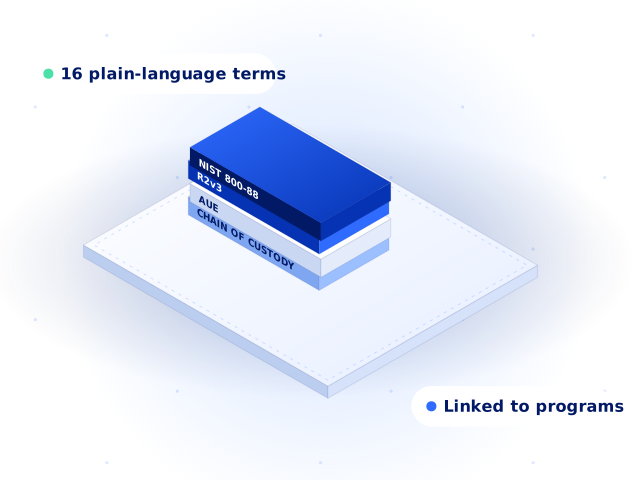
Plain-language definitions of ITAD terms: NIST 800-88, R2v3, certificates of data destruction, chain of custody, revenue share, AUE, Activation Lock and more.
- IT asset disposition (ITAD)
The process of retiring IT equipment securely and responsibly: collection, data destruction, audit, resale of equipment with remaining value and recycling of the rest, with documentation at each step.
Learn moreSource: U.S. Environmental Protection Agency- Device buyback
A program where a vendor pays an organization for retired devices that still have resale value. Payment can be an upfront purchase, a fair market value payout after resale, or a revenue share.
Learn more- NIST 800-88
NIST Special Publication 800-88, Guidelines for Media Sanitization, is the US standard most organizations use to define how data must be removed from storage media before reuse or disposal. It describes clear, purge and destroy methods.
Learn moreSource: NIST- R2v3
Version 3 of the Responsible Recycling (R2) standard from SERI, an independently audited certification for electronics recyclers and ITAD companies covering data security, environmental and worker safety practices. K12 Computers is R2v3 certified and listed in SERI's R2 directory.
Learn moreSource: SERI, Sustainable Electronics Recycling International- Certificate of data destruction
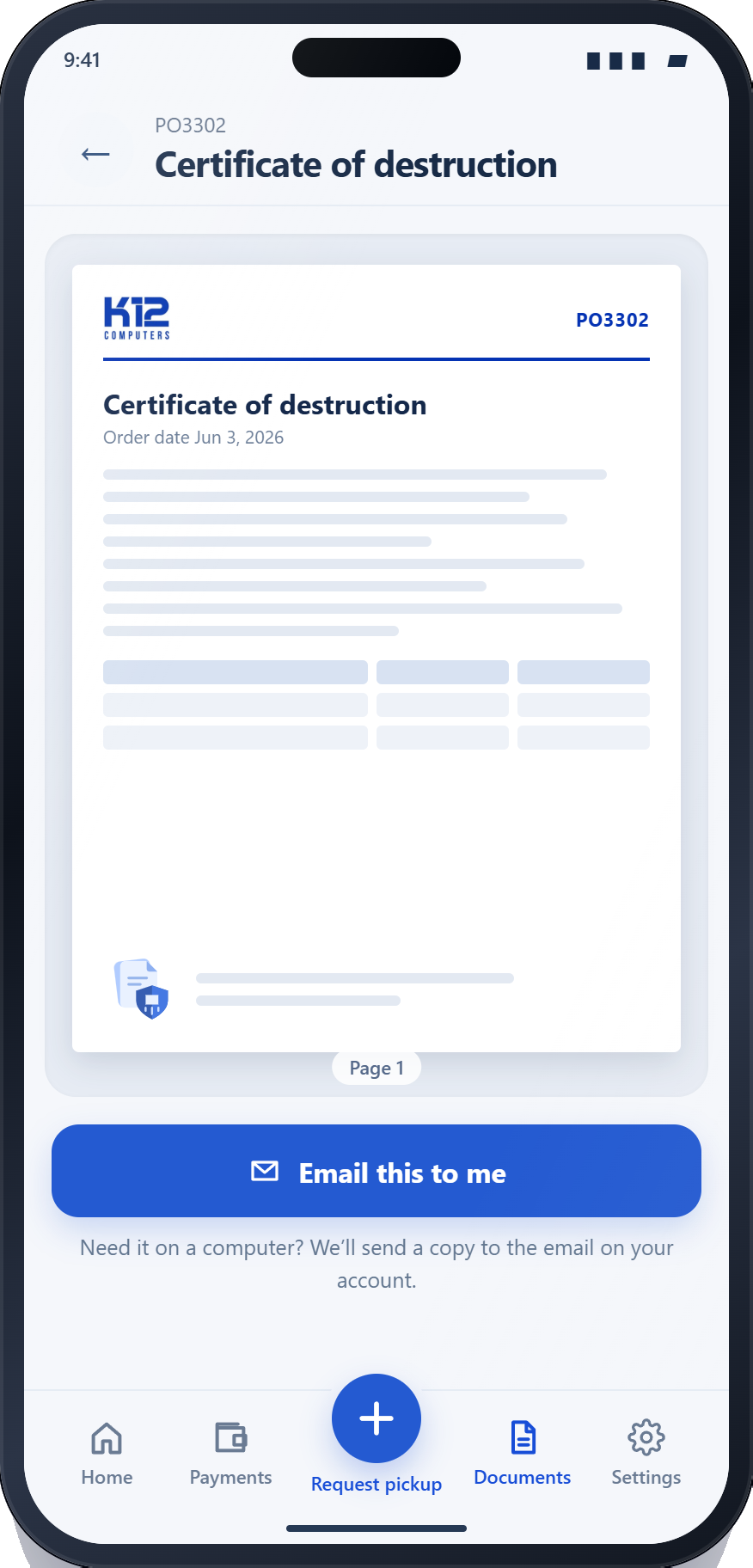
A record proving that data on a device was erased or destroyed. The strongest certificates are issued per device and tied to its serial number, rather than one letter for a whole shipment.
Learn moreSource: NIST- Chain of custody
The documented record of who held each asset from the moment it leaves an organization until its final disposition. In ITAD, it is usually built from receiving reports, serialized audits and shipment records.
Learn more- Serialized audit
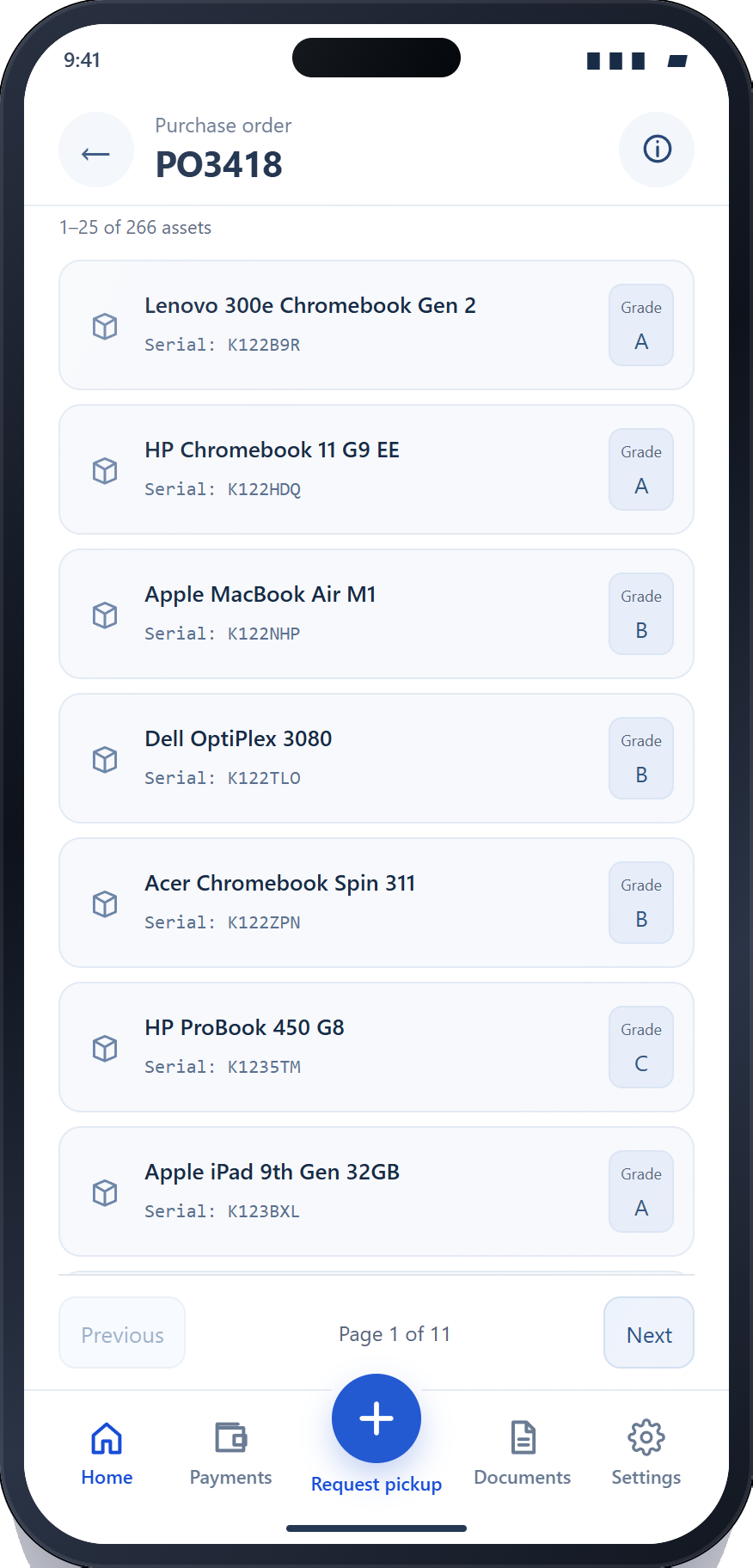
An inventory of retired equipment that records each device by serial number, along with its model, condition grade and data destruction result.
Learn more- Auto Update Expiration (AUE)
The date after which a Chromebook model stops receiving automatic ChromeOS updates from Google. Resale value usually falls as a model approaches its AUE date.
Learn moreSource: Google Chrome Enterprise and Education Help- Deprovisioning
Removing a Chromebook from an organization's Google Admin console so it is no longer enrolled. Deprovisioned devices can be enrolled by a new owner, which protects resale value.
Learn moreSource: Google Chrome Enterprise and Education Help- Activation Lock
An Apple security feature that ties an iPhone, iPad or Mac to an Apple ID. A locked device cannot be set up by a new owner, so it usually has far lower resale value until the lock is removed.
Learn moreSource: Apple Platform Deployment- Apple School Manager
Apple's portal for schools to manage devices and accounts. Devices should be released from Apple School Manager (or Apple Business Manager) before they are sold so a new owner can set them up.
Learn moreSource: Apple- Remarketing
Reselling retired IT equipment after it has been erased, tested and graded, through channels such as wholesale buyers, resellers and refurbished marketplaces.
Learn more- Cooperative purchasing contract
A contract competitively procured by a purchasing cooperative that eligible public entities can use without running their own bid. K12 Computers holds TIPS contracts 250802 and 250801 and Choice Partners contract 25/048MF-03.
Learn moreSource: TIPS- Device refresh
Replacing an organization's fleet of devices with a new generation. The retirement side involves collecting, erasing and disposing of the old fleet, ideally recovering value to offset the new one.
Learn more- Lease return
Equipment returned to a lessor at the end of a lease. Lease returns are typically audited, graded, erased and remarketed, with each asset reconciled to the lease schedule.
Learn more
See everything K12 does for you.
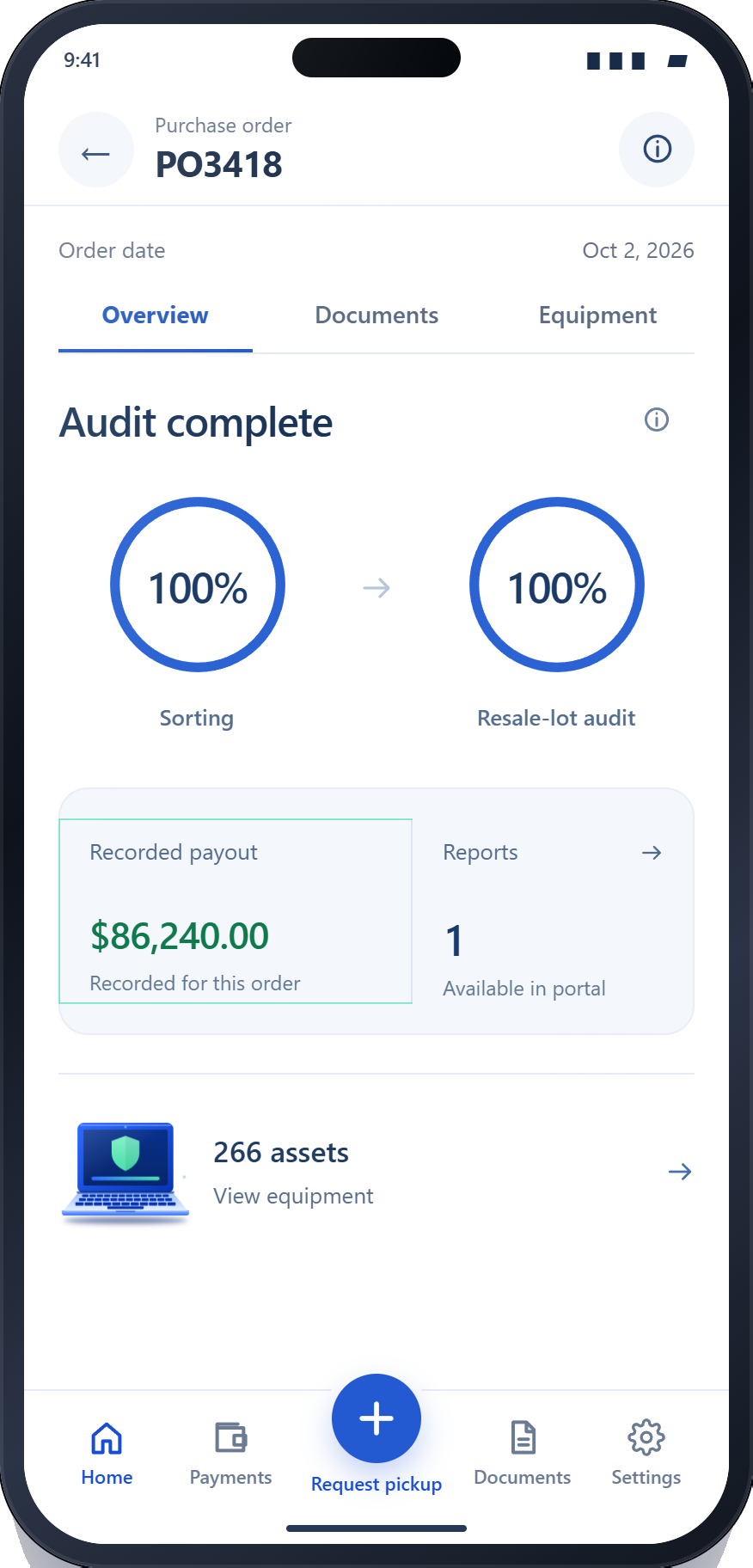
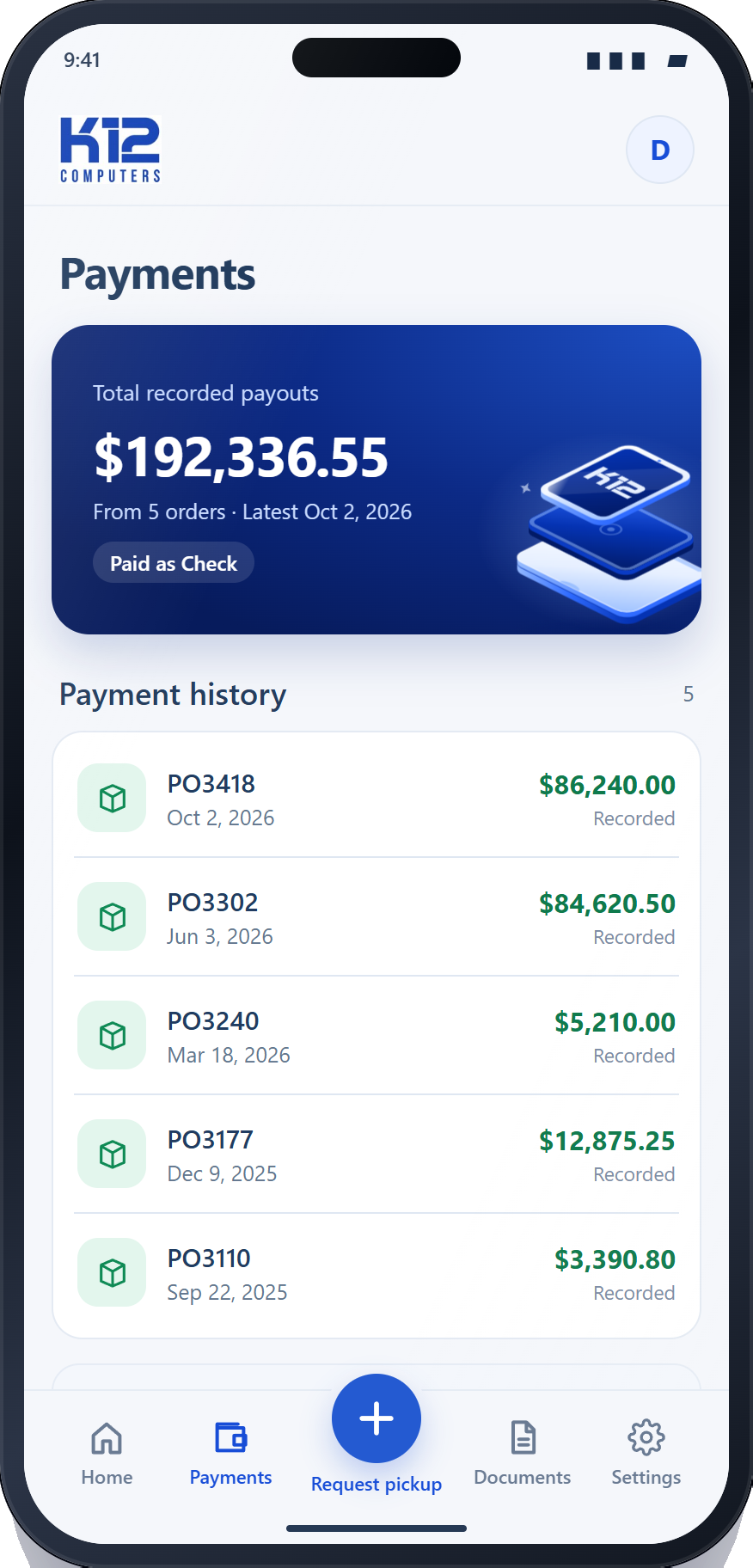
Your orders, devices, documents and payouts, in a portal that works as well on your phone as on your desk.
Tell us what you have.
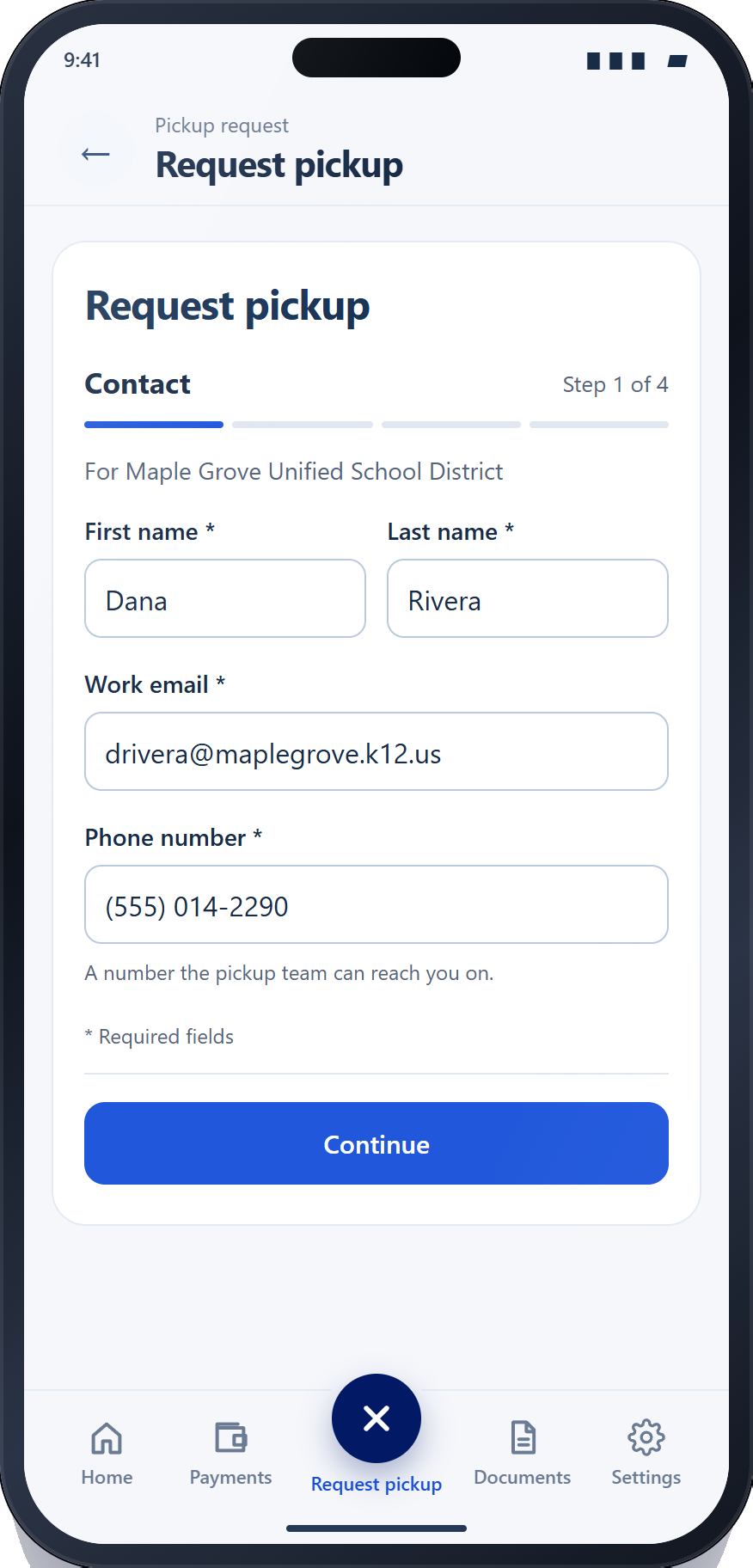
Get an instant estimate by model, or request a pickup and our team takes it from there.